Modifier 26 vs. TC: Billing the Professional and Technical Components Correctly
Split-billable services like X-rays and EKGs have two halves — the read and the machine. Bill both when you only did one and you invite denials or takebacks. Here is how modifiers 26 and TC work, and when neither applies.
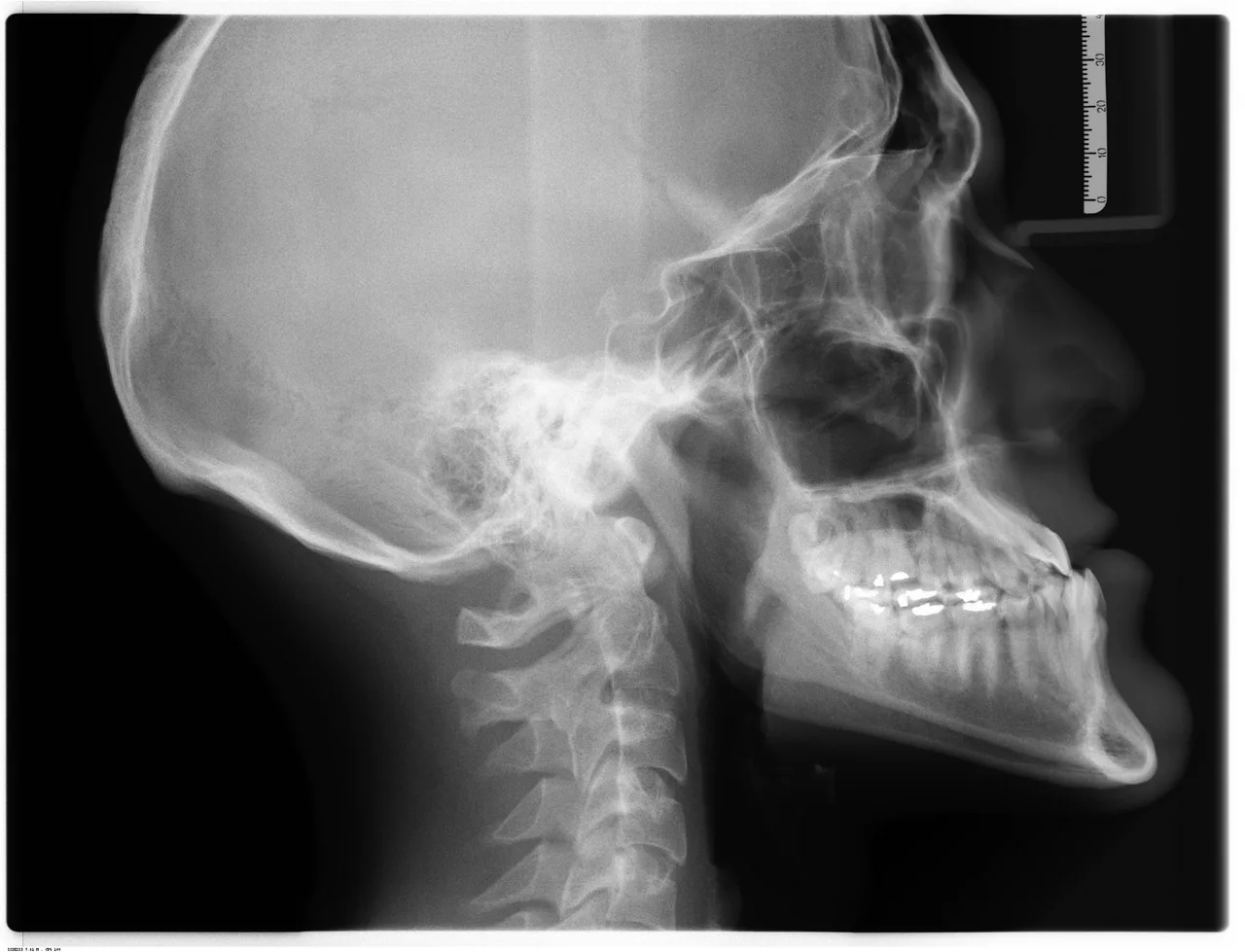
An X-ray, an EKG, an echo — each is really two services in one: the machine that captures it and the physician who reads it. Modifiers 26 and TC split that fee between whoever did which half. Get the split wrong and you either underbill or trigger a takeback. Here's the clean logic.
The two components
- Modifier 26 — Professional Component (PC): the physician's supervision, interpretation, and written report. No equipment.
- Modifier TC — Technical Component: the equipment, supplies, staff, and costs of performing the test. No interpretation.
Payment splits roughly 60% TC / 40% PC of the global fee — equipment and staffing simply cost more than the read.
When to use each
Use modifier 26 when you only read the study — for example, a radiologist interpreting an image taken at a hospital that owns the machine. Use modifier TC when you only performed the test — your practice owns the equipment and staff but a different physician interprets it. The modifier tells the payer exactly which half you earned.
Did you own the machine or read the film? Answer that and the modifier picks itself.
When neither applies
If your practice does both — owns the equipment and interprets the result — bill the code globally with no modifier, and you're paid for both components. And a crucial rule: modifiers 26 and TC are valid only for codes the fee schedule lists with separate PC/TC values. If a code isn't split on the fee schedule, appending 26 or TC is always wrong.
Common mistakes
- Billing global when you only did one half — a classic overbill and takeback risk.
- Appending 26 or TC to a non-split code — an automatic denial.
- Facility confusion — physicians in a facility usually bill the PC (26), while the facility bills the TC.
These are exactly the split-billing nuances that disciplined medical coding catches before the claim goes out. For adjacent modifier questions, see our CPT modifiers reference.
Splitting PC/TC correctly?
We'll review your diagnostic-service billing — free.
The bottom line
Two components, three billing scenarios: read only (26), performed only (TC), or both (global, no modifier) — and only for codes the fee schedule actually splits. Get that right and diagnostic services pay cleanly without takeback risk. Start with a free billing audit.
Sources
Frequently asked questions
Modifier 26 identifies the professional component — the physician’s supervision, interpretation, and written report of a diagnostic service such as an X-ray, EKG, or ultrasound. It excludes the equipment and staff.
Modifier TC identifies the technical component — the equipment, supplies, personnel, and costs of performing the service. It is typically billed by the facility or practice that owns the equipment.
When one entity performs both the interpretation and the technical work, bill the code globally with no 26 or TC. The global payment covers both components.
Roughly 60% of the global fee is the technical component and about 40% is the professional component, reflecting that equipment and staffing cost more than interpretation. Values apply only to codes the fee schedule lists with separate PC/TC lines.
See where your practice is leaking revenue.
A free, no-obligation billing audit shows exactly what the 2026 changes mean for your bottom line.