Billing insight that pays for itself.
Clear, current guidance on Medicare reimbursement, denials, credentialing and revenue cycle management — written by the team that bills for practices across all 50 states.

2026 Medicare Physician Fee Schedule: Every Change That Affects What Your Practice Gets Paid
CMS finalized the CY2026 Medicare Physician Fee Schedule with a first-ever split conversion factor, a 2.5% efficiency adjustment, permanent telehealth wins, and an expanded G2211. Here is exactly what changes for your reimbursement — and what to do about it.
Read the article
NCCI Edits Explained: How to Avoid Bundling Denials Without Unbundling
NCCI edits decide which code pairs Medicare will pay together — and which it bundles. Bill them wrong and you either lose revenue or invite an audit. Here is how PTP edits, MUEs, and the modifier indicators actually work.

Vaccine Administration Billing: 90471, 90460, Medicare G-Codes and the Traps
Vaccines have two billable halves — the product and the administration — and choosing the wrong admin code family, or skipping a modifier, quietly loses the fee. Here is how to bill vaccine administration correctly.

MIPS in 2026: The Performance Threshold, Category Weights and Payment Risk
MIPS can swing your Medicare payments up or down by up to 9%. For 2026 the 75-point threshold holds, the four categories keep their weights, and MVPs keep expanding. Here is what you need to hit — and avoid.

Modifiers 24 and 57: Billing E/M Around the Global Surgery Period
The global surgery package bundles most visits before and after a procedure — but not all. Modifiers 24 and 57 unlock the E/M services you can still bill. Here is exactly when each applies and how they differ from 25.

G2211 in 2026: The Complete Guide to Billing the Visit-Complexity Add-On
G2211 is easy money most practices still under-bill — or bill wrong. Here is exactly when to use it, the tightened 2026 modifier 25 rules, the new home-visit expansion, and how to document it so it survives.

Prolonged Services: Billing 99417 and G2212 the Right Way
When a long visit runs past the top E/M level, prolonged-service codes capture the extra time — but Medicare and commercial payers count the clock differently. Here is when to use G2212 vs 99417 and the exact thresholds.

Payer Underpayments: The Silent Revenue Leak Hiding in Your Paid Claims
Around 2.5–3% of billed line items are underpaid, quietly costing providers 1–3% of net revenue a year. Because the claim shows as "paid," almost no one catches it. Here is how to detect and recover what you are owed.

Incident-To Billing in 2026: The Rules, the Risks, and the New Virtual-Supervision Change
Incident-to pays NP and PA services at 100% instead of 85% — but only when every condition is met, and it is a top audit target. Here are the rules, the 2026 virtual-supervision update, and how to stay clean.

How to Improve Your Clean Claim Rate (and Why It Fixes Everything Downstream)
Your clean claim rate is the master metric of the revenue cycle: get it above 95% and denials fall, A/R shrinks, and cash arrives faster. Here is what drags it down and a concrete plan to push it up.

How to Reduce Days in A/R: A Practical Guide for Medical Practices
If your days in accounts receivable are creeping past 40, cash is trapped and something upstream is broken. Here are the 2025 benchmarks, what actually drives A/R days up, and a step-by-step plan to bring them down.
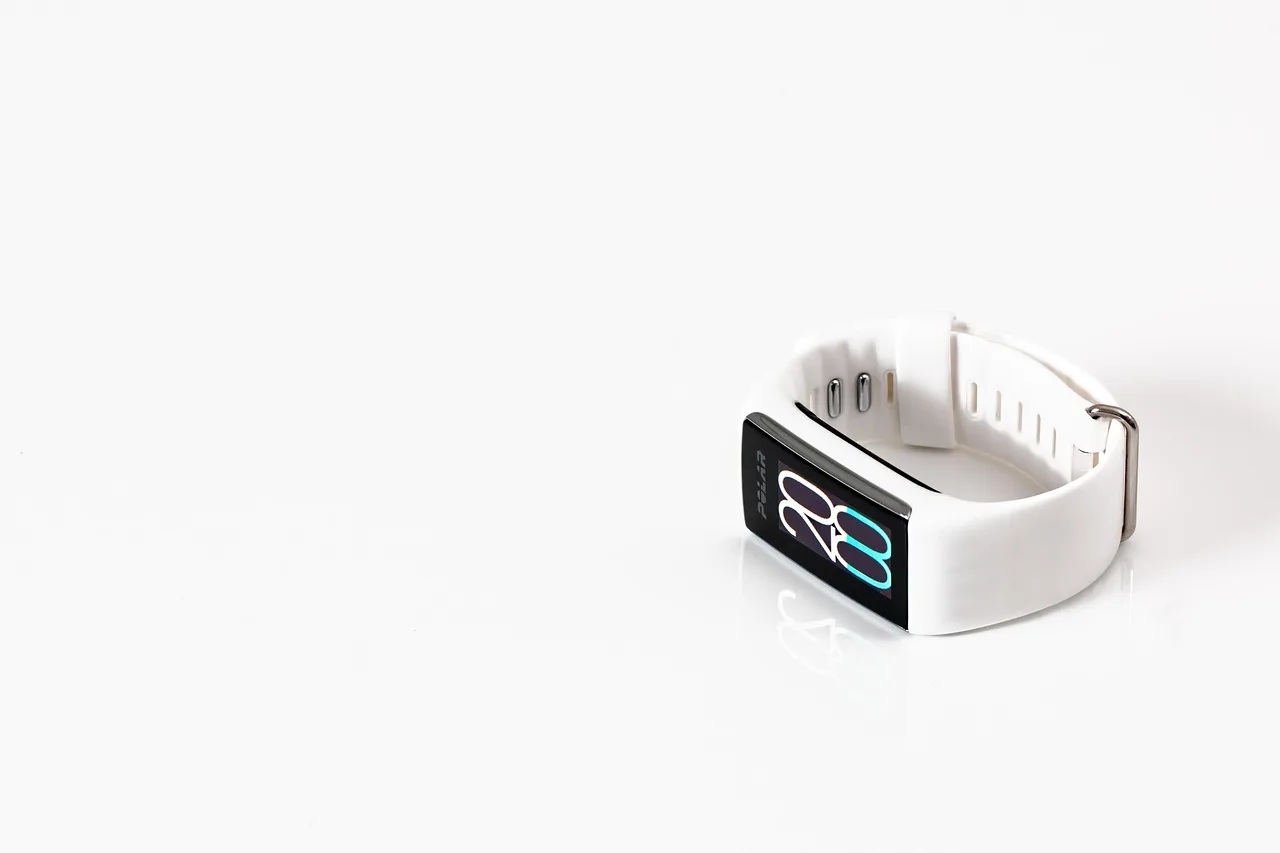
Remote Patient Monitoring Billing in 2026: New CPT Codes Open the Floodgates
CMS added shorter-duration RPM codes for 2026, ending the rigid 16-day and 20-minute thresholds that blocked billing. Here are the new codes, how they pair with the classics, and what your practice can now capture.

Chronic Care Management Billing in 2026: Codes, Rules & Recurring Revenue
CCM is one of the few ways to bill Medicare for the between-visit work you already do — reliably, every month. Here are the 2026 CPT codes and rates, the eligibility rules, and how to launch a compliant program.