Remote Patient Monitoring Billing in 2026: New CPT Codes Open the Floodgates
CMS added shorter-duration RPM codes for 2026, ending the rigid 16-day and 20-minute thresholds that blocked billing. Here are the new codes, how they pair with the classics, and what your practice can now capture.
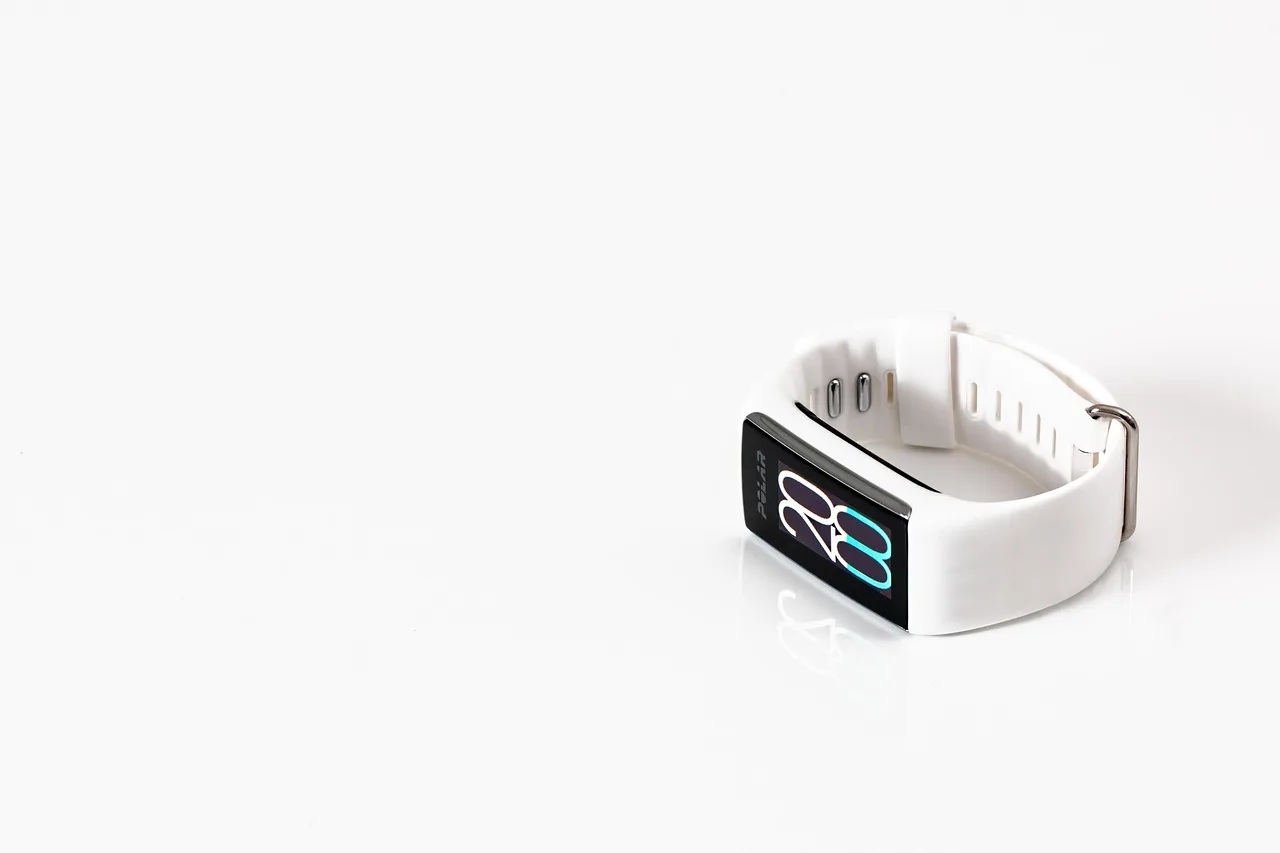
Remote patient monitoring finally grew up in 2026. For years, billing was gated by two rigid rules: a device only counted if the patient transmitted 16+ days of data, and management time only counted at 20 minutes. Patients who monitored for a week, or needed 10 minutes of oversight, generated nothing. CMS just fixed that.
What is new in 2026
The 2026 Medicare Physician Fee Schedule added two shorter-duration RPM codes that close the biggest gaps: one for briefer device use and one for shorter management time. That means real, billable revenue for the many patients who don't fit the old 16-day / 20-minute mold.
The 2026 RPM code set
| Code | What it covers |
|---|---|
| 99453 | One-time setup & patient education (once per device) |
| 99445 NEW | Device supply, 2–15 days of data in 30 days |
| 99454 | Device supply, 16–30 days of data in 30 days |
| 99470 NEW | First 10–19 min of management + interaction |
| 99457 | First 20 min of management + interaction |
| 99458 | Each additional 20 min of management |
How the codes pair (the either/or logic)
- Device: bill 99445 for 2–15 days or 99454 for 16–30 days — never both in the same period.
- Management: bill 99470 for 10–19 minutes or 99457 for 20+ minutes — then 99458 for each additional 20 minutes.
- Setup: 99453 once per device at the start of monitoring.
The new codes don't replace the old ones — they fill the gaps beneath them, so shorter episodes finally pay.
Requirements that keep RPM clean
Use an FDA-defined medical device that automatically transmits physiologic data, obtain and document patient consent, meet the data-day and time thresholds for whichever code you bill, and follow each payer's coverage policy. Sloppy time tracking and device-day counting are the fastest way to lose RPM revenue on audit.
The revenue case
RPM stacks: setup, monthly device supply, and monthly management time can combine into a durable per-patient, per-month payment — now available to a far wider slice of your panel thanks to the shorter-duration codes. As with CCM, the money is reliable if the minutes and device days are captured correctly, which is where disciplined revenue cycle management and coding earn their keep.
Ready to turn on RPM the right way?
We'll map your eligible patients and the monthly upside — free.
The bottom line
2026 makes RPM billable for the patients who were previously invisible to the code set. Learn the either/or pairings, track device days and minutes precisely, and it becomes a scalable revenue stream that also keeps your chronic patients safer. Start with a free billing audit to size it up.
Sources
Frequently asked questions
CMS finalized two: 99445 for device supply when a patient records 2–15 days of readings in a 30-day period, and 99470 for the first 10–19 minutes of RPM management with a required patient interaction. They complement the existing 99454 (16+ days) and 99457 (20+ minutes) codes.
No. Use 99445 for 2–15 days of data or 99454 for 16–30 days of data in the same 30-day period — not both. The same either/or logic applies to 99470 versus 99457 for management time.
CPT 99453 is billed once per device, per episode of monitoring — not monthly and not more than once per patient per device.
Yes. Obtain and document patient consent, use an FDA-defined medical device that transmits physiologic data, and follow your payer’s coverage rules.
See where your practice is leaking revenue.
A free, no-obligation billing audit shows exactly what the 2026 changes mean for your bottom line.