Coding & Billing
Every article we've published on Coding & Billing.

NCCI Edits Explained: How to Avoid Bundling Denials Without Unbundling
NCCI edits decide which code pairs Medicare will pay together — and which it bundles. Bill them wrong and you either lose revenue or invite an audit. Here is how PTP edits, MUEs, and the modifier indicators actually work.

Vaccine Administration Billing: 90471, 90460, Medicare G-Codes and the Traps
Vaccines have two billable halves — the product and the administration — and choosing the wrong admin code family, or skipping a modifier, quietly loses the fee. Here is how to bill vaccine administration correctly.

Modifiers 24 and 57: Billing E/M Around the Global Surgery Period
The global surgery package bundles most visits before and after a procedure — but not all. Modifiers 24 and 57 unlock the E/M services you can still bill. Here is exactly when each applies and how they differ from 25.

G2211 in 2026: The Complete Guide to Billing the Visit-Complexity Add-On
G2211 is easy money most practices still under-bill — or bill wrong. Here is exactly when to use it, the tightened 2026 modifier 25 rules, the new home-visit expansion, and how to document it so it survives.

Prolonged Services: Billing 99417 and G2212 the Right Way
When a long visit runs past the top E/M level, prolonged-service codes capture the extra time — but Medicare and commercial payers count the clock differently. Here is when to use G2212 vs 99417 and the exact thresholds.

Medicare Annual Wellness Visit Billing: G0438, G0439 and How to Do It Right
The AWV is fully covered, well paid, and pairs beautifully with a same-day problem visit — yet practices routinely under-bill it or fail the documentation. Here is the complete 2026 coding and compliance guide.

Modifier 50: How to Bill Bilateral Procedures for the Full 150%
When a procedure is done on both sides, modifier 50 can pay 150% — but only for the right codes, and some payers reject it entirely in favor of RT/LT. Here is how the bilateral indicators work and how to bill each one.

Split/Shared Visit Billing in 2026: How to Define the Substantive Portion
For 2026, CMS finalized that the "substantive portion" of a split/shared visit can be based on time OR medical decision-making. Here is what that means for facility billing and how to document it correctly.

New vs. Established Patient: The 3-Year Rule That Changes What You Get Paid
New-patient E/M codes pay more than established — but bill "new" when the rules say "established" and you invite recoupment. Here is exactly how the 3-year rule, specialty, and group practice decide the status.
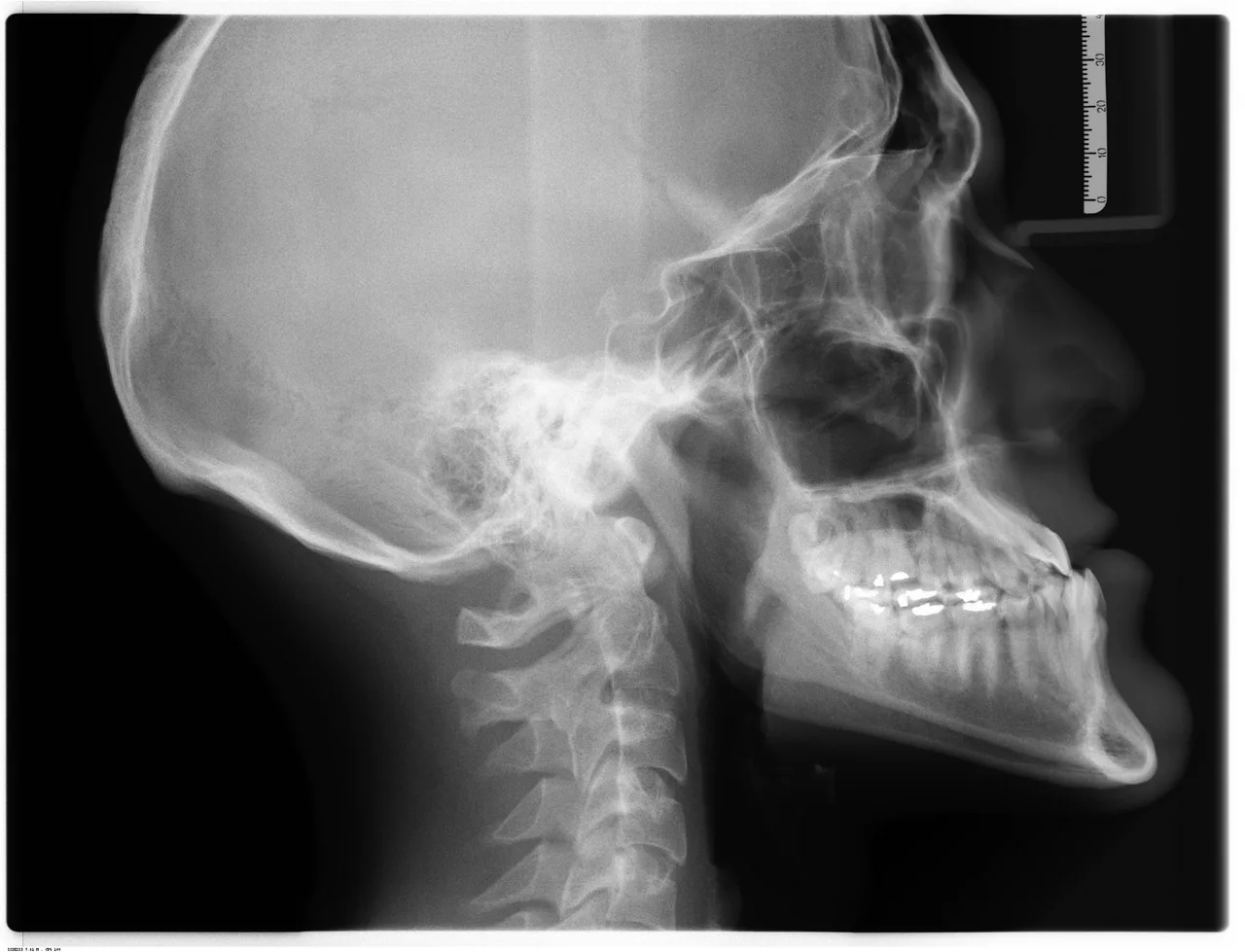
Modifier 26 vs. TC: Billing the Professional and Technical Components Correctly
Split-billable services like X-rays and EKGs have two halves — the read and the machine. Bill both when you only did one and you invite denials or takebacks. Here is how modifiers 26 and TC work, and when neither applies.

Anesthesia Billing Basics: Base Units, Time Units and the Modifiers That Set Your Pay
Anesthesia does not bill like the rest of medicine — it runs on a units-times-conversion-factor formula and a set of payment modifiers that can cut reimbursement in half. Here is how the math and the modifiers work.

CPT 2026 Code Changes: 418 Updates Your Practice Needs to Know
The 2026 CPT code set brought 288 new codes, 84 deletions, and 46 revisions — plus a full rebuild of lower-extremity revascularization and the first AI-service codes. Here is what changed and how to prepare.